Zoology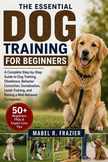
Introduction to Dog Training for Beginners
Understanding What Dog Training Truly Means
Dog training is often misunderstood as a process of teaching commands or correcting unwanted behavior. In reality, it is a deeper and more meaningful interaction between people and dogs. Training is a form of communication, a shared language built over time through consistency, patience, and mutual understanding. It is not about control or dominance, but about guiding a dog to live confidently and safely within the human world.
For beginners, this shift in perspective is essential. Training is not a one-time task that ends when a dog learns to sit or stay. It is an ongoing relationship where both the dog and the person continue to learn from each other. Every interaction, from feeding to playtime, contributes to this process. Over time, these repeated moments shape behavior, build trust, and create a bond that defines the success of training.
Understanding this foundation removes unnecessary pressure. Instead of expecting instant results, training becomes a gradual journey where progress is measured in small, consistent improvements.
Why Training Matters in Everyday Life
Training plays a central role in creating a balanced and harmonious life with a dog. Without guidance, dogs rely solely on instinct, which may not align with the expectations of a home environment. Training provides structure, helping dogs understand what is expected of them and how to behave in different situations.
A well-trained dog is not only easier to manage but also more confident. Clear communication reduces confusion, allowing the dog to navigate its surroundings with assurance. This confidence leads to calmer behavior, better interaction with people, and a stronger sense of security.
Training also enhances safety. Basic skills such as responding to commands or walking calmly on a leash can prevent dangerous situations. These skills are not simply about obedience; they are tools that protect both the dog and the people around it.
The Importance of Patience and Consistency
One of the most important qualities in dog training is patience. Dogs do not learn in the same way people do. They respond to repetition, consistency, and clear signals rather than complex explanations. This means that progress often takes time, and setbacks are a natural part of the process.
The Essential Dog Training for Beginners
A Complete Step-by-Step Guide to Dog Training, Obedience, Behavior Correction, Socialization, Leash
by Mabel R. Frazier (Author)
Paperback
$18.48List price:$19.88
You save $1.40 (7%)Ships in 1 to 2 business days
StandardArrives 4 to 10 days after it ships.ExpeditedArrives 2 to 5 days after it ships.We email you a tracking number when your order ships.
Customers rate DiscountMags 4.6/5 3,439 reviews on independent sites SmartCustomer, ResellerRatings and Trustpilot
30-day returns
Return it within 30 days of delivery for a refund of the price plus tax. It must be in its original condition, and shrink-wrapped items unopened. Return shipping (with tracking) is on you, and original shipping isn't refunded. Arrived damaged or wrong? Contact us first and we'll make it right.
Family-ownedSelling since 2002
About this book
Understanding What Dog Training Truly Means
Dog training is often misunderstood as a process of teaching commands or correcting unwanted behavior. In reality, it is a deeper and more meaningful interaction between people and dogs. Training is a form of communication, a shared language built over time through consistency, patience, and mutual understanding. It is not about control or dominance, but about guiding a dog to live confidently and safely within the human world.
For beginners, this shift in perspective is essential. Training is not a one-time task that ends when a dog learns to sit or stay. It is an ongoing relationship where both the dog and the person continue to learn from each other. Every interaction, from feeding to playtime, contributes to this process. Over time, these repeated moments shape behavior, build trust, and create a bond that defines the success of training.
Understanding this foundation removes unnecessary pressure. Instead of expecting instant results, training becomes a gradual journey where progress is measured in small, consistent improvements.
Why Training Matters in Everyday Life
Training plays a central role in creating a balanced and harmonious life with a dog. Without guidance, dogs rely solely on instinct, which may not align with the expectations of a home environment. Training provides structure, helping dogs understand what is expected of them and how to behave in different situations.
A well-trained dog is not only easier to manage but also more confident. Clear communication reduces confusion, allowing the dog to navigate its surroundings with assurance. This confidence leads to calmer behavior, better interaction with people, and a stronger sense of security.
Training also enhances safety. Basic skills such as responding to commands or walking calmly on a leash can prevent dangerous situations. These skills are not simply about obedience; they are tools that protect both the dog and the people around it.
The Importance of Patience and Consistency
One of the most important qualities in dog training is patience. Dogs do not learn in the same way people do. They respond to repetition, consistency, and clear signals rather than complex explanations. This means that progress often takes time, and setbacks are a natural part of the process.
Product details
- Format
- Paperback
- Publisher
- Independently Published
- Published
- May 22, 2026
- Pages
- 198
- Language
- English
- ISBN-13
- 9798198148697
- Dimensions
- 9 × 6 × 0.42 in
- Weight
- 0.6 lb
Subjects
Paperback$18.48$19.88